
Reading Japan: A Market Built on Signals
These notes come from shop floors, distributor tables, and quiet conversations

The Real Role of Crowdfunding in Japan and When It Actually Works
Crowdfunding can offer early demand signals, visibility and a controlled environment for testing positioning. What it cannot provide is long-term retail traction, regulatory readiness, supply chain stability or sustainable brand growth. Its correct role is not as an entry mechanism but as a mid-stage validation tool within a larger strategy.
This Insight examines the realities of Japan’s crowdfunding environment, supported by market data, case studies and feedback from international creators.

Japan E-Commerce 2026:A Market Misunderstood, and a Rare Strategic Window
Japan’s e-commerce market in 2026 presents a unique growth opportunity. Despite perceptions of maturity, Japan shows low e-commerce penetration, strong consumer spending, and accelerating digital transformation. As offline retail habits evolve and B2B digitalization advances, brands entering Japan now can capture emerging demand, outperform legacy competitors, and unlock high-value online market potential.

Why Your Emails to Japanese Distributors Get Ignored?
Struggling to enter the Japanese market? Learn why your outreach gets ignored, what trust signals matter, and test your distributor readiness with our free diagnostic.

Why Do So Many Western Companies Fail in Japan,Even When Their Product Is Strong?
Japan’s market operates on long-term trust, risk control, and a distinctive decision-making structure. Foreign companies that overlook Nemawashi, the behind-the-scenes consensus-building process, or misread who truly holds authority, often struggle to gain traction. Mastering Kiku, the principle of deep listening, and recognizing the influence of quiet senior executives within Japan’s collective-responsibility system are essential for successful entry. This analysis highlights Japan’s business culture, decision logic, market-entry strategy, and the common failure patterns of foreign firms—critical insights for anyone aiming to succeed in Japan.
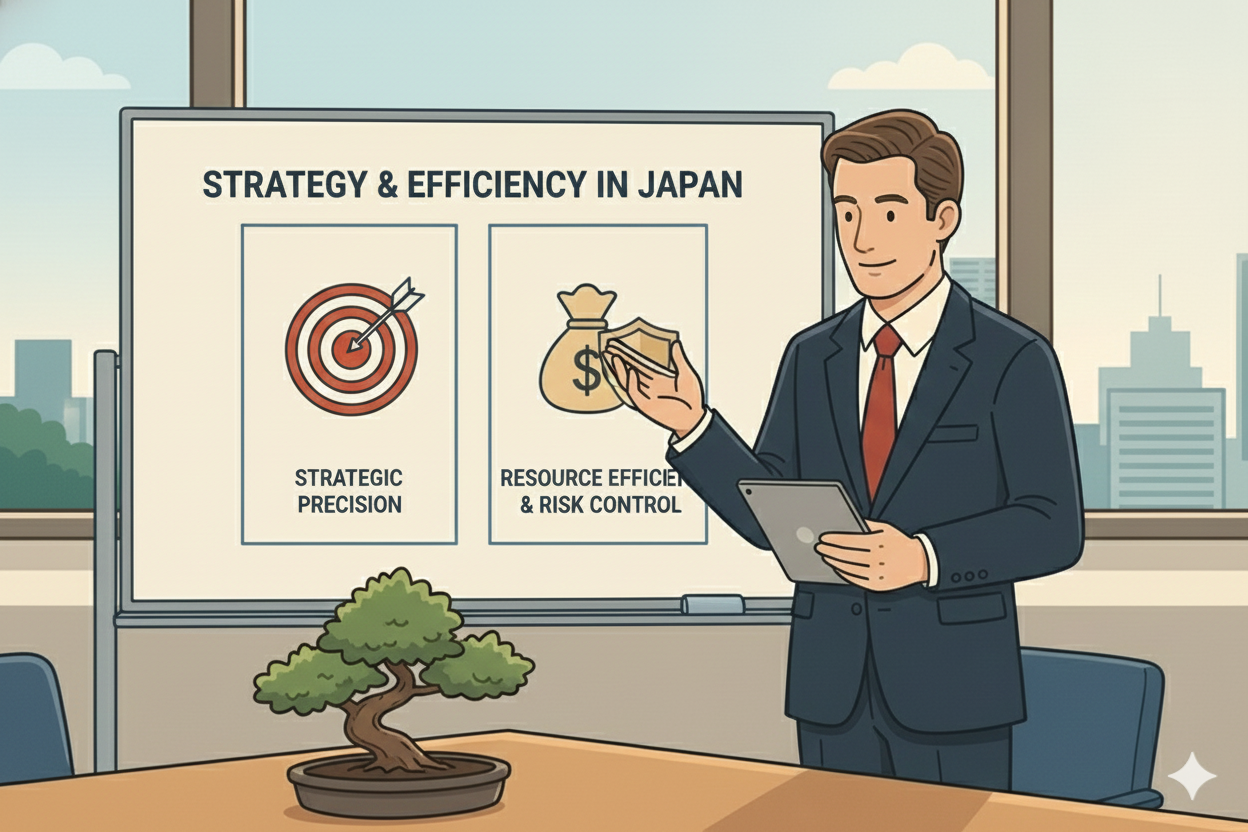
Resource Constraints? 10 High-Efficiency Disciplines for SMEs Entering Japan in 2026
For Small and Medium-sized Enterprises (SMEs) with finite resources, the challenge of the Japanese market is magnified: the cost of trial-and-error is high, and securing brand trust without massive corporate backing is difficult. Entering 2026, success no longer hinges on sheer spending power, but on strategic precision and resource efficiency. This insight provides ten battle-tested principles designed to maximize SME success and rigorously control risk.

SME Focus: High-Value, High-Trust Japan Go-Live Infrastructure Checklist (2026)
Moving into the execution stage, Small and Medium-sized Enterprises (SMEs) must allocate resources intelligently. This checklist bypasses unnecessary frills, focusing instead on Minimum Viability and Maximum Trust in core infrastructure. Treat this as the Quality Assurance (QA) plan for your Japan business, ensuring every investment yields a trust return.

Understanding Japanese Business Culture for Successful Partnerships in Japan
Entering the Japan market has never been a question of price or product alone. It is a question of whether a foreign company truly understands Japanese business culture—its consensus culture, risk-averse business culture, high-context communication norms, and its uncompromising commitment to quality assurance.

Establishing Distributor Partnerships in Japan: Strategy, Cultural Fit, and Long-Term Success
For many foreign businesses entering Japan, engaging a local distributor is a pragmatic and efficient path to market. This is especially true for sectors such as food and beverage, consumer goods, homeware, cosmetics, and industrial tools—industries where strong local channel access is critical.

Navigating Japan's B2B Procurement System: How to Build Influence in Multi-Layered Decision Structures
Japan’s B2B landscape is among the most structured and process-oriented in the world. Foreign companies entering the Japanese corporate market often underestimate the complexity, bureaucratic nature, and risk sensitivity embedded in local procurement practices. Beyond having a strong product, success depends on understanding and actively engaging in Japan’s unique decision-making ecosystem.

How to Build an Effective Omni-Channel Strategy in Japan: Integrating E-Commerce, Retail, and Direct-to-Consumer Channels
Japan’s retail ecosystem and consumer behavior are highly unique. While online shopping is growing steadily, physical stores and brand trust still dominate purchase decisions. For foreign companies aiming for long-term success, adopting an omni-channel strategy is essential to secure a sustainable competitive advantage in this complex market.

Effective Distributor Management in Japan: Beyond KPIs
Successfully entering the Japanese market is only the beginning. Managing long-term relationships with local distributors is critical for sustaining sales, expanding market penetration, and preserving brand consistency. Many foreign companies make the mistake of relaxing once a distributor is onboard, failing to continually refine and monitor the relationship—often resulting in declining performance or brand dilution.